Can You Sandblast a Car? Complete Guide 2026 for Safe Paint & Rust Removal
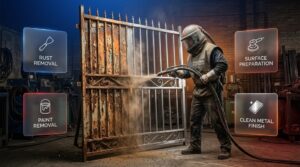
Yes—you can sandblast a car, but doing it incorrectly can permanently damage the body panels. This guide is for car owners, restorers, and DIY users who want to remove paint or rust safely. You’ll learn when sandblasting works, when it doesn’t, and the safest methods professionals use to avoid costly damage.
Can You Sandblast a Car?
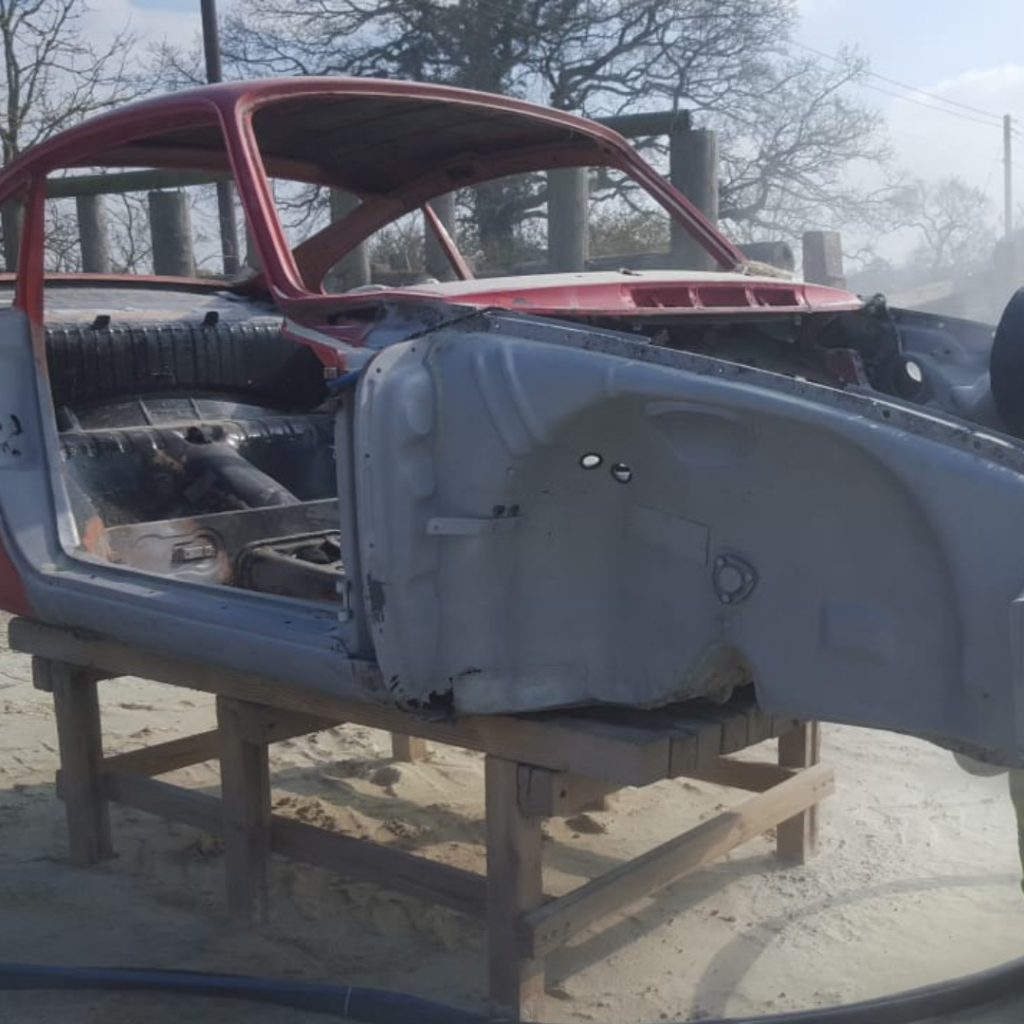
Yes, but traditional sandblasting is not safe for full car bodies. Automotive panels are made from thin sheet metal, and high-pressure abrasive blasting can warp, pit, or weaken them. Safer methods like media blasting, soda blasting, or dustless blasting are typically used instead, especially for body panels.
Common Problems with Car Surfaces
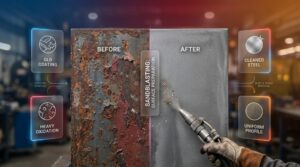
Over time, vehicles develop surface issues that require complete stripping before repainting or restoration. Rust is one of the most common problems, especially in areas exposed to moisture such as wheel arches, undercarriages, and lower panels. Paint deterioration is another issue, where old coatings begin to peel, crack, or fade due to UV exposure and age. In many cases, multiple layers of old paint build up over time, making it difficult to achieve a smooth finish without fully removing them. Surface contamination, including grease, dirt, and oxidation, also prevents proper adhesion of new coatings. These problems make proper surface preparation essential before any refinishing work begins.
Why Sandblasting Isn’t Always Safe
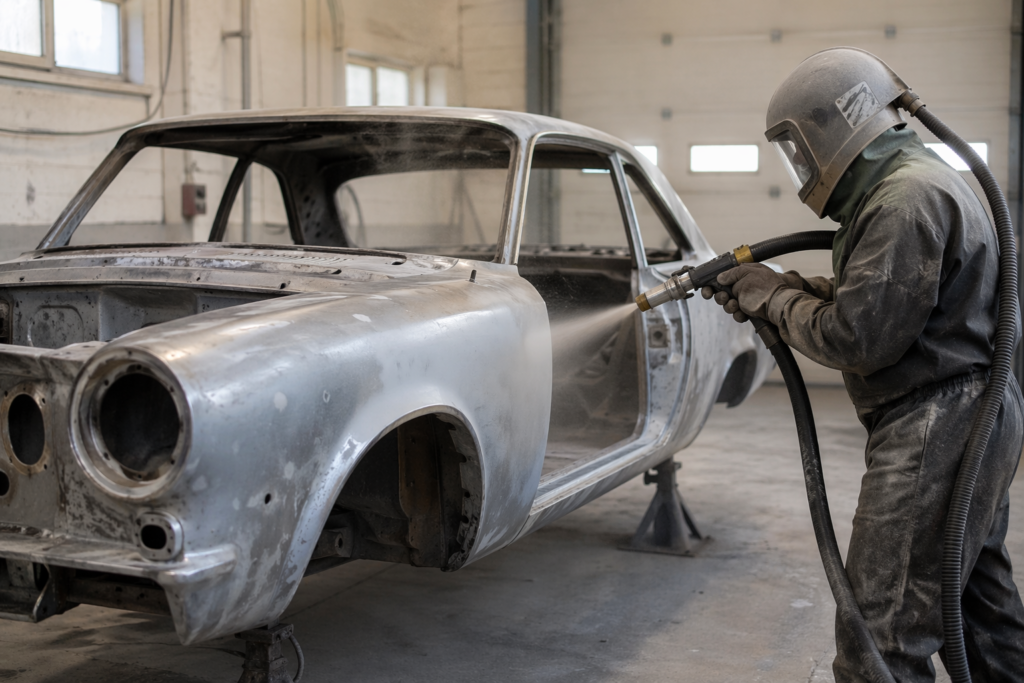
Traditional sandblasting uses high-pressure abrasive materials that generate significant heat and friction when they strike the surface. This creates several risks when applied to car bodies. Thin metal panels can expand unevenly due to heat, leading to permanent warping. The aggressive nature of sand can also create surface pitting, which affects the smoothness of the finish and requires additional repair work. In severe cases, excessive blasting can weaken the structural integrity of the metal. These risks are the main reason professionals avoid using standard sandblasting on full vehicle bodies.
Best Alternatives to Sandblasting a Car
To avoid damage, professionals use alternative blasting methods designed for delicate automotive surfaces. Soda blasting is one of the safest options, as it removes paint without generating excessive heat or damaging the metal underneath. Plastic media blasting is another controlled method that effectively strips coatings while preserving the integrity of thin panels. Walnut shell blasting offers a low-impact, eco-friendly solution suitable for light cleaning and paint removal. Dustless blasting combines water with abrasive media to reduce heat and friction, making it safer for larger surfaces. Chemical stripping is also widely used, especially for full-body paint removal, as it eliminates the risk of warping entirely.
Step-by-Step Guide to Safe Car Blasting
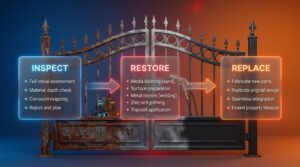
Step 1: Inspect the Surface
Begin by assessing the condition of the car. Identify areas with rust, multiple paint layers, or structural weakness. Thin panels require extra caution.
Step 2: Choose the Right Blasting Media
Avoid traditional sand for body panels. Select appropriate media such as soda, plastic, or walnut shells depending on the level of rust and paint thickness.
Step 3: Set Proper Pressure
Maintain low pressure, typically between 40 and 80 PSI. Higher pressure increases the risk of heat buildup and panel damage.
Step 4: Maintain Distance and Movement
Keep the blasting nozzle at a consistent distance from the surface and move continuously. Staying in one spot for too long can cause warping.
Step 5: Test on a Small Area
Before proceeding with the entire car, test the method on a hidden or less visible section. This helps ensure the chosen media and pressure are safe.
Step 6: Clean and Prepare the Surface
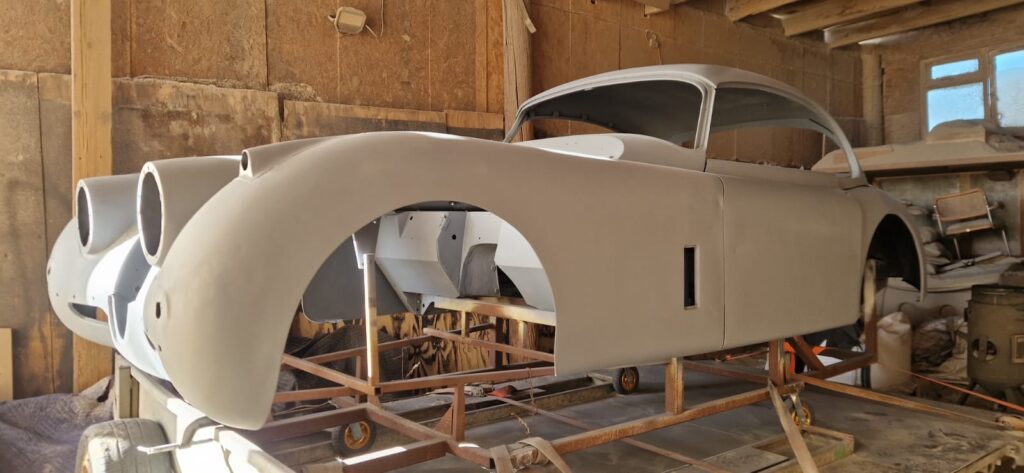
After blasting, thoroughly remove residue and dust. Apply primer immediately to protect the bare metal from rust and oxidation.
Use Cases and Applications
Car Body vs Car Parts
Body panels require gentle blasting techniques due to their thin structure. In contrast, stronger components such as chassis, frames, suspension parts, and wheels can handle more aggressive blasting without risk of damage.
Light Rust vs Heavy Rust
Light rust can be removed using soft media like soda or walnut shells. Heavy rust may require more aggressive abrasives, but this should be done carefully and often by professionals.
DIY vs Professional Blasting
DIY blasting is possible with the right equipment, but it carries a high risk of mistakes, especially for beginners. Professional services provide controlled environments, proper equipment, and experienced technicians, resulting in a safer and higher-quality finish.
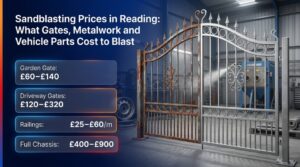
Cost of Sandblasting a Car
The cost of sandblasting a car varies depending on several factors, including the size of the vehicle, the condition of the surface, and the method used. Full car blasting typically costs more due to the precision required and the time involved. Partial blasting, such as treating only rusted areas or specific components, is more affordable. Alternative methods like soda or dustless blasting may have a higher upfront cost, but they reduce the risk of damage and additional repair expenses. Hiring a professional service often provides better long-term value, as it minimizes the chance of costly mistakes.
Common Mistakes to Avoid
One of the most common mistakes is using high pressure on thin panels, which can quickly lead to warping. Choosing the wrong abrasive material is another issue, as aggressive media can damage delicate surfaces. Failing to test the process on a small area increases the risk of unexpected damage. Holding the nozzle in one spot for too long creates uneven heat distribution and surface distortion. Another critical mistake is delaying primer application after blasting, which allows moisture to cause immediate rust formation.
FAQs
Is sandblasting safe for car paint removal?
It can be safe if the correct media and pressure are used, but traditional sandblasting is not recommended for full car bodies.
Will sandblasting warp car panels?
Yes, improper technique or excessive pressure can cause warping, especially on thin metal surfaces.
What is the best alternative to sandblasting a car?
Soda blasting and plastic media blasting are considered the safest options for removing paint without damaging the metal.
Can I sandblast a car at home?
It is possible, but it requires proper equipment, experience, and careful control. Beginners are more likely to cause damage.
How long does it take to blast a car?
The process can take several hours to a few days depending on the size of the vehicle and the condition of the surface.
Does blasting remove all rust completely?
Blasting can remove most rust, but deep corrosion may require additional treatment or repair.
Related Services
Professional sandblasting services
Car paint removal solutions
Dustless blasting for vehicles
Sandblasting cost guide
Final Thoughts
Sandblasting a car is possible, but it must be done with precision and the right method. Traditional sandblasting is too aggressive for most automotive panels, making safer alternatives the preferred choice. Whether you choose a DIY approach or hire professionals, understanding the risks and using the correct technique is essential. A properly prepared surface ensures better paint adhesion, longer-lasting results, and a higher-quality finish without unnecessary damage.